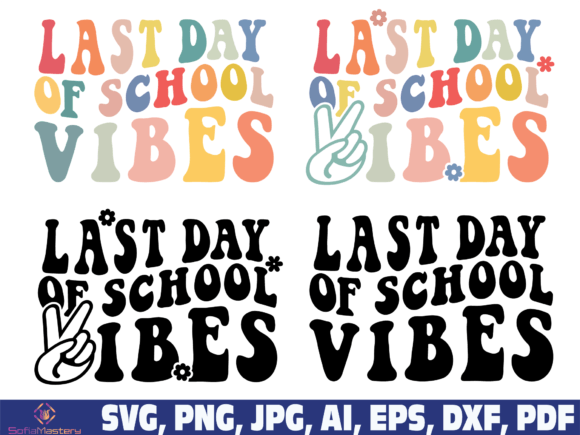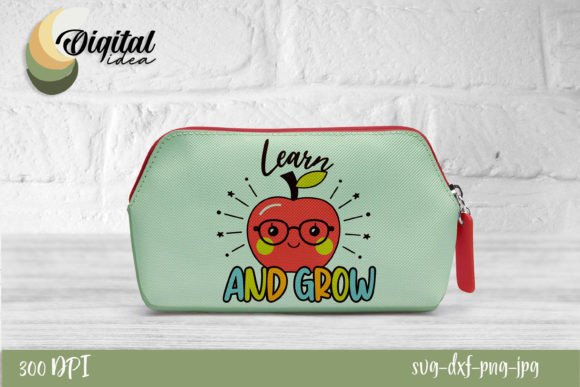
Practical Review: Learn Grow Cute School Designs SVG
When a new design lands in my studio, my first question isn’t about file formats—it’s about character. How does it feel, and where would it truly shine as an embroidered piece? Opening the Learn Grow Cute School Designs SVG bundle, my immediate impression was of cheerful, gentle optimism. The theme speaks to a moment of new beginnings, of tender growth. The visual personality isn’t loud or overly intricate; it’s approachable and sweet. This isn’t a design for bold statement jackets. It naturally belongs to projects with a personal, heartfelt touch.
The Mood It Creates on Fabric
Imagine you’re preparing a custom embroidered baby blanket or a little learner’s tote bag. This design, once stitched, evokes a soft, encouraging vibe. The shapes and layout suggest a story without being narrative-heavy. In my mind, I see it on a nursery pillow cover or a child’s apron for craft time. The detail level appears balanced—not so sparse it looks empty, not so dense it becomes a stitching challenge on delicate fabrics. That’s a crucial first judgment for any embroidery file intended for real projects.
A Real Scenario: The Boutique Baby Gift
Let’s walk through a real-life embroidery situation. A client requests a personalized gift for a teacher or a new parent. I’m considering a high-quality cotton tote bag or a premium sweatshirt. Using Learn Grow Cute School Designs SVG, I’m thinking through the stitch outcome. On a tote, the design would need to hold its clarity against daily use. On a sweatshirt’s textured fabric, the stitch density must be sufficient to prevent a sparse look. The design’s friendly nature likely translates well here, creating a gift that feels handmade but professionally executed, boosting its perceived value and giftability.
Where This Design Performs Brilliantly
For crafters and small business owners, placement is key. This design feels ideally suited for:
- Custom apparel like children’s t-shirts or lightweight sweatshirts.
- Embroidered patches that could be applied to backpacks or denim.
- Home decor items such as pillow covers or kitchen towels for a playful, family-space touch.
- Personalized products in a boutique or Etsy listing, where the theme resonates with buyers seeking sentimental items.
- Baby embroidery on blankets, bibs, or nursery wall hangings.
- Printable mockups and digital product previews for sellers of the design itself.
The appeal here is visual warmth. It’s likely to engage buyers looking for something recognizably sweet and professional, which in turn builds customer trust in your handmade presentation.
Handling the Commercial Embroidery Project
For the creative entrepreneur using this for commercial embroidery projects—say, a series of caps for a small school event or aprons for a craft workshop—the design’s scalability matters. From the provided bundle with SVG, DXF, EPS, PDF, JPG, and PNG files, adaptability for different techniques is a strong start. However, for machine embroidery specifically, you must check the specifics of the embroidery file itself—stitch count, hoop size compatibility, and whether it’s configured as an applique design or uses satin stitch elements. These aren’t detailed in the general description, so verifying them is a non-negotiable step before production.
Caution Areas: Where to Proceed Carefully
Every design has its ideal canvas and its less-suited surfaces. Based on its apparent character, I’d be careful with Learn Grow Cute School Designs SVG in these scenarios:
- Very small hoop sizes if the design contains tiny lettering or intricate corners. Compression could lose clarity.
- Highly textured or stretchy fabric like certain knits without proper stabilizer. The design’s integrity could warp.
- Dark fabric if the thread color contrast hasn’t been planned. A light, cheerful design might need a bright thread palette to pop on dark backgrounds.
- Curved surfaces like caps where detailed elements might distort if the layout isn’t optimized for curvature.
- Products needing frequent washing, like kitchen towels. Stitch density and stabilization must be robust to ensure longevity.
This isn’t a critique of the design, but a practical designer’s note: test, then commit.
Affecting Your Craft Business and Brand
How does using a design like this affect your larger work? For Etsy sellers and handmade shop owners, consistency matters. If your brand is about gentle, growth-themed products, this design aligns beautifully. It enhances your collection’s cohesion. For apparel decorators, it offers a versatile graphic that can be adapted with different thread colors to match seasons or client requests, increasing your service range. Its professional execution in a finished product directly impacts buyer engagement—a clean, well-stitched piece using this design feels thoughtful, not generic.
Essential Embroidery Designer Notes
Before you run this design on a client’s order or your own small shop merchandise, here’s my grounded advice:
- Always test the design on scrap fabric first. Use the same material and stabilizer as your final project.
- Check thread color contrast thoroughly. Create a simple black and white mockup to see how the shapes hold without color.
- Review stitch density by examining a sample. Are fill stitch areas too dense for lightweight fabrics? Is running stitch detail clear?
- Confirm the hoop size required. The product description doesn’t specify this for embroidery, so you must ascertain it from the actual embroidery file.
- Inspect small details like any decorative accents. On a machine, these need to stitch out cleanly.
- Compare light and dark fabric backgrounds in your test. You might need different color palettes for each.
- Absolutely use proper stabilizer. Fabric texture can make or break the final look.
- Critically, confirm licensing before selling finished items or digital products. The description mentions creating your own project, but commercial use rights must be explicitly verified.
This bundle, as a graphics product in the Crafts category, provides multiple file formats great for various applications, including heat transfer vinyl for T-shirts or wood signs. But for our world of embroidery, the core machine embroidery design parameters are what turn a cute graphic into a flawless embroidered patch or tote bag design.
The Final Realistic Take
Learn Grow Cute School Designs SVG presents a charming, well-themed starting point. In my professional judgment, its greatest value for embroidery designers and craft business owners lies in its emotional resonance. It’s a design that, when stitched with care on appropriate projects, will look cohesive and appealing. It fits into a niche of personalized, growth-oriented gifts and merchandise. However, its success hinges entirely on your due diligence: treating it as a digital embroidery file that requires technical validation for your specific machines, fabrics, and commercial intentions. Do that groundwork, and this cute school design can grow into a reliable, profitable part of your creative repertoire.